How to Remove Mould From Your Pram: A Step-by-Step Guide
Discovering mould on your child's pram is alarming. Those dark spots on the hood, green patches on the seat fabric, or that unmistakable musty smell — it's enough to make any parent worry. But before you consider binning the whole thing, know that mould can almost always be removed with the right approach.
Why Does Mould Grow on Prams?
Mould thrives in damp, dark conditions — which is exactly what happens when a wet pram is folded up and stored in a hallway or garage. It only takes one rainy walk followed by folding the pushchair away without drying it for mould to take hold.
The most common areas for mould growth are the hood lining, seat fabric creases, the storage basket, and the underside of the canopy.
Step 1: Take It Outside
Mould releases spores when disturbed, so it's best to work outdoors. Lay the pram out in a well-ventilated area, ideally in sunlight. UV light is a natural mould killer, so even before you start cleaning, the sun is already helping.
Step 2: Brush Off Surface Mould
Using a stiff, dry brush, gently brush away any visible surface mould. Don't scrub aggressively — you want to remove the loose mould without pushing it deeper into the fabric. Dispose of any debris rather than leaving it to blow around.
Step 3: Apply Your Cleaning Solution
You have two main options:
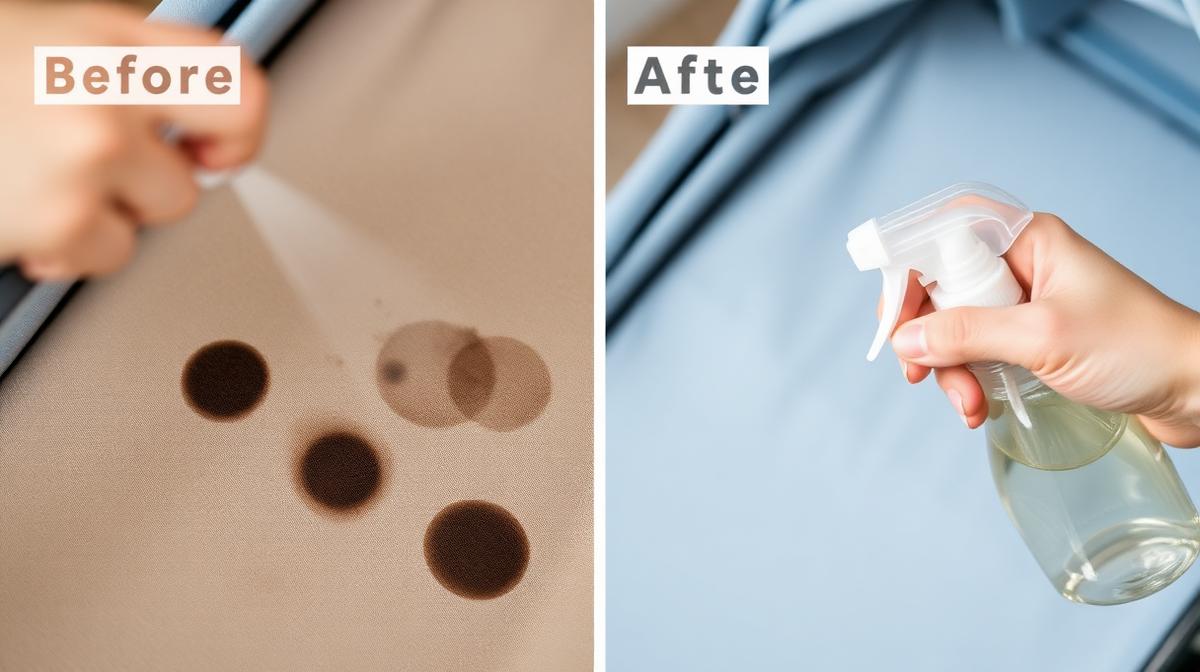
White Vinegar Solution Mix equal parts white vinegar and water in a spray bottle. Spray generously onto the affected areas and leave for 15-20 minutes. Vinegar is a natural mould killer and is safe for most pram fabrics.
Mild Bleach Solution (for stubborn mould) For severe cases, mix one part bleach to ten parts water. Test on a hidden area first, as bleach can affect colour. Apply with a cloth rather than spraying, and leave for 10 minutes.
Step 4: Scrub and Rinse
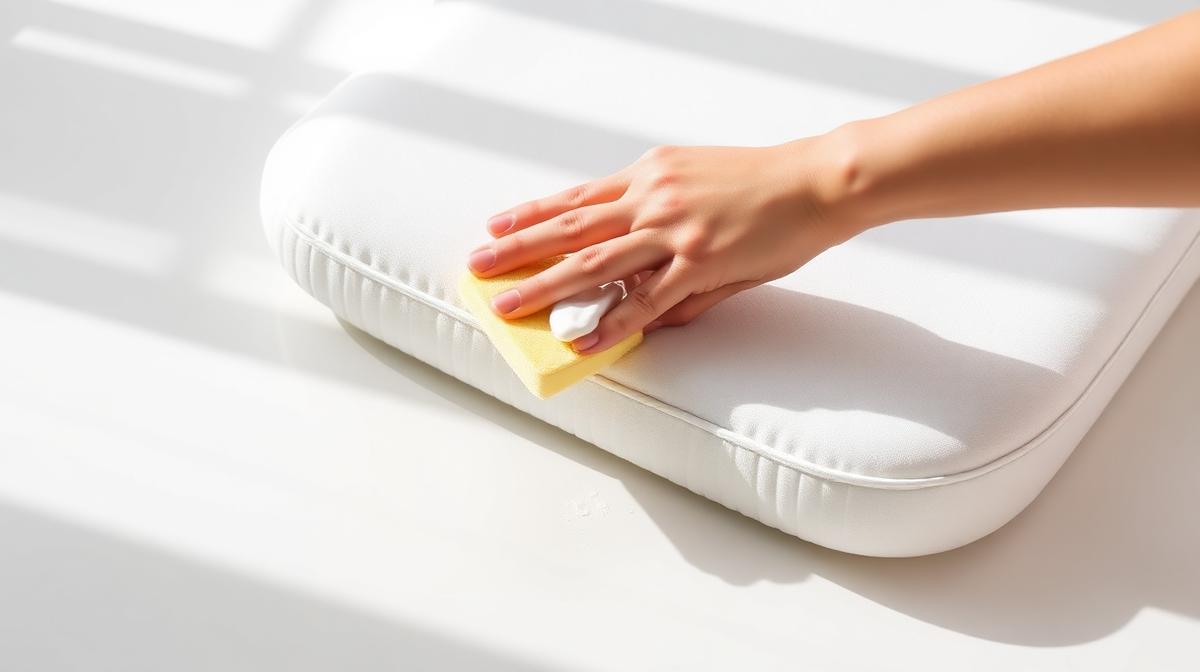
Using a soft brush or cloth, gently scrub the treated areas. You should see the mould lifting away. Rinse thoroughly with clean water — you want to remove all traces of the cleaning solution, especially if you used bleach.
Step 5: Dry Completely
This is the most important step. Mould will return if any moisture remains. Leave the pram fully open in a warm, well-ventilated area — outdoors in sunshine is ideal. Allow at least 24-48 hours for everything to dry completely before folding or storing.
Preventing Mould in the Future
The key is simple: never store a wet pram folded up. After rainy walks, open the pram out and let it dry before putting it away. If you have to store it in a damp area, consider using a dehumidifier nearby or placing moisture-absorbing sachets in the storage basket.
When the Mould Won't Shift
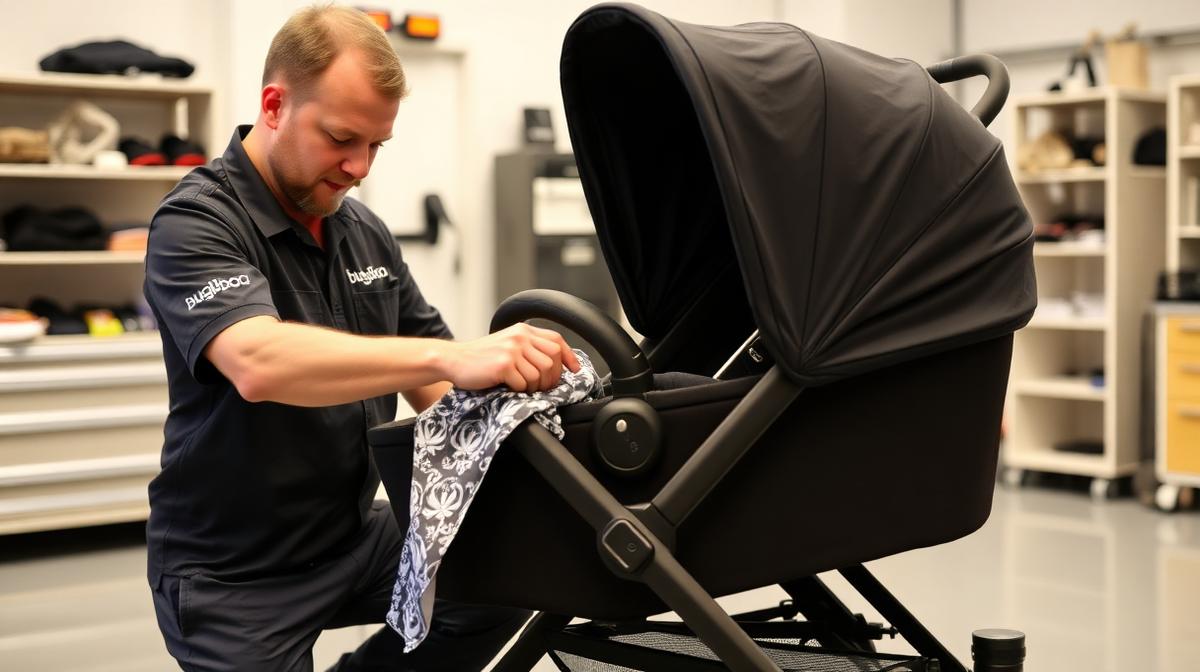
If the mould has deeply penetrated the fabric or the musty smell persists after cleaning, professional treatment is the next step. A professional deep clean uses industrial-grade sanitisation that reaches mould embedded within the fabric fibres — something that's very difficult to replicate at home.
Need your pram cleaned?
Book a professional deep clean and get your pushchair looking brand new.
Book Your Clean